



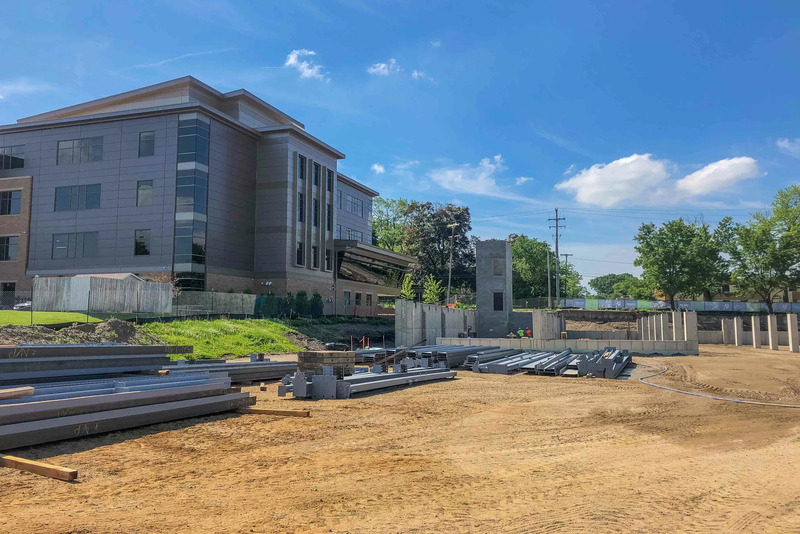
Brownfield redevelopment can be described as the redevelopment of land that has been previously developed but is now potentially contaminated with hazardous materials, pollutants, or industrial by-products. This type of project normally involves some form of environmental assessment before it can be redeveloped. Companies like FullTerra brownfield redevelopment carry out their operations in an environment that is regulated in terms of identifying and adhering to environmental risks. Environmental due diligence is the backbone of this process to ensure that the redevelopment process adheres to environmental laws and financial risk management.
Understanding the Purpose of Environmental Due Diligence
Environmental due diligence is a process that is carried out to determine if there are existing or potential environmental liabilities associated with a property. In brownfield development, this process shields the developer, investor, lender, and government from unexpected costs of remediation and prosecution. It also provides an environmental risk management framework before the implementation of redevelopment activities. It is not just a matter of complying with environmental laws, but also promoting human health and environmental protection.
Preliminary Site Assessment and Historical Review
Environmental due diligence is a comprehensive assessment of a property aimed at identifying environmentally related issues that are currently present or may potentially arise in the future. This step is vital in a brownfield development project as it is the first line of protection for a developer, investor, lender, and government against unforeseen remediation costs and charges. Besides that, it is a way of making sure that environmental hazards are dealt with prior to the commencement of the renovation works. The emphasis is not only on conforming to environmental legislation, but also on safeguarding human health and the environment.
Phase I Environmental Site Assessment
A formal Phase I Environmental Site Assessment, or ESA, is an in-depth review of the preliminary review process. A Phase I ESA, when conducted in accordance with established standards, determines the likelihood of contamination without sampling by force. Trained environmentally different individuals to identify Recognized Environmental Conditions (RECs) that suggest the likelihood of environmental issues requiring further investigation. The process is documented in a formal report that helps the concerned parties decide if additional testing is necessary.
Phase II Investigation and Sampling
In case the Phase I ESA reveals the possibility of contamination, a Phase II investigation takes place. This phase is concerned with collecting samples of soil, groundwater, surface water, or soil gas for laboratory testing. The sampling plans are made taking into consideration the suspected contaminants and the past use of the site. The analytical results are then compared with the regulatory limits set by the environmental authorities. The purpose is to determine the existence, the amount, and the extent of the contamination. Getting precise data at this stage is very important for the selection of the right remediation methods and the calculation of the costs of the cleanup.
Risk Assessment and Regulatory Alignment
Once contamination data is collected, a site-specific risk assessment is carried out. The purpose of this assessment is to establish if the identified contaminants present human health or environmental risks that are considered unacceptable in present or future land use scenarios. Risk-based approaches may consider exposure pathways such as inhalation, ingestion, or dermal contact. Local authorities typically require that remediation plans be consistent with the environmental standards and cleanup guidelines that have been set. Environmental due diligence is one of the ways through which redevelopment plans can be assured to have the necessary mitigation measures incorporated even before construction starts.
Remediation Planning and Liability Considerations
A remediation plan is one of the outputs of a site investigation and risk assessment. Soil excavation, groundwater treatment, use of containment systems, or application of in-situ treatment technologies are some of the methods that might be employed to carry out the remedial action. Environmental due diligence also explores matters related to liability sharing, apart from compliance documentation and indemnification agreements. The financial implications of the proposed plans are assessed by the developers and investors, taking into account the costs of remediation, the potential long-term monitoring, and insurance coverage. The recording of the due diligence process can, under certain regulatory regimes, provide a basis for legal protection.
Ongoing Monitoring and Documentation
Environmental due diligence does not end with the start of remediation work. A large number of brownfield redevelopment cases require post-remediation monitoring in order to verify that the cleanup objectives have been met and that the site condition will remain stable in the future. Reporting to the regulators, site checkups, and environmental management plans are some of the ways that compliance is ensured continuously. Well-prepared documentation is an efficient tool for obtaining regulatory approval and facilitates real estate transactions later on. Environmental due diligence still plays a key role in the redevelopment of brownfield areas.
Engaging in a risk assessment, confirming contamination, and ensuring that the remediation steps proposed are in compliance with the regulations are steps that the parties involved take in order to lower the level of uncertainty while at the same time protecting the well-being of the community. Companies that are involved in projects such as FullTerra brownfield redevelopment are operating within this framework.