


Metal roofing has become a more preferred choice among people in recent times, largely due to its durability and long service life. However, the performance of a metal roof depends heavily on correct installation practices. Many issues associated with metal roofing arise not from the material itself but from avoidable installation errors. Homeowners researching the topic—often starting with a reliable website —benefit from understanding these common mistakes before any work begins.
Improper Measurement and Panel Alignment
One of the biggest mistakes in installing a roof is inaccurate measurements. In metal sheet roofs, the panels are made exactly to the specification, so even the smallest measurement errors may result in some gaps, overlaps, or mismatches of the seams. These problems will deteriorate the wash water ability of the roof coming from the surface. Thus, in the case of Martinsburg, a town that is most of the time frequented by rain and seasonal weather changes, leakages may be caused by misalignment and long-term moisture damage.
Incorrect Fastener Selection and Placement
Fasteners end up being quite contingent on the panels of metal roofing being properly secured, but they were being taken for granted for a long time. Using the wrong type of fastener or placing them incorrectly can result in panels loosening over time. Excessive fastener tightening can cause panel deformation, while leaving them loose might be a cause of water penetration. Moreover, not leaving a margin for the metal to expand and contract with temperature, which is a natural property of the metal, can end up in fastener/fatigue or panel/warping.
Ignoring Thermal Movement Requirements
Metal changes size as the temperature varies. Situations where the metal is fixed and can no longer move will cause the metal to buckle or stress, and oil, canning can appear. This is extremely suitable for the case of West Virginia, where the seasons and temperature make a great range. Suitable details should be used to solve this problem, such as floating clip systems or slotted fastener holes that allow thermal movements without damaging the roof.
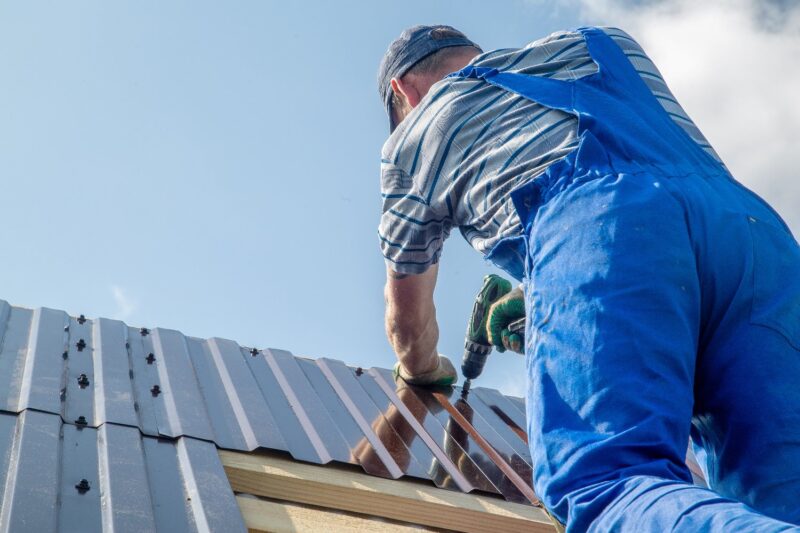
One more mistake that can happen is overlooking the significance of underlayment. A metal roof by itself is not water-tight; it uses a top-quality underlayment as a second moisture barrier. If you omit this step or put an unsuitable underlayment, the building below will be at risk of getting moisture through, thus getting condensation and leaks, e. g., during snowmelt or heavy rain.
Water tightness may be seriously compromised if poor quality or incorrectly installed flashing is used around chimneys, vents, skylights, and roof edges. Flashing is hence one of the most common causes of roof leaks. In metal roofing systems, not only the material but also the installation has to be done with great accuracy, with suitable flashing. Neglecting this aspect might cause isolated issues on the roof even if the other parts are well installed.
Moreover, metal roofing can be put on top of the existing roof in some cases, but without adequate assessment, it is a gamble. If the deck is not only uneven but also soft and rotten, then panels will not lie flat and will be subjected to bending, which shortens their life and may cause damage. Inspecting the condition of the floor is essential to decide if it needs to be redone beforehand.
According to the codes and permits requirements, residential and commercial buildings in Martinsburg and the neighboring areas must conform to certain specifications. If you fail to follow the local laws, you will endanger the safety of your property, receive a negative assessment, and have to make expensive modifications. Metal roofing installations have to withstand such elements as wind, fire, or heavy loads that are typical for the area.
Conclusion
Metal roofing offers long-term performance benefits when installed correctly, but avoidable mistakes can significantly reduce its effectiveness. Understanding common installation pitfalls—from measurement errors to inadequate flashing—helps homeowners make informed decisions and ask the right questions during the planning process. Reviewing technical guidance, local regulations, and credible resources, including detailed explanations often found on a professional website, can contribute to better outcomes and a more durable roofing system overall.