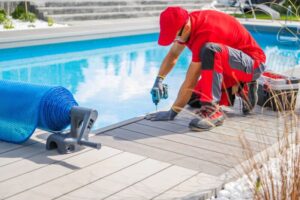




Having a swimming pool means that one has to deal with several responsibilities that are not limited to cleaning the pool from time to time. Although many pool owners are capable of taking care of the maintenance of the pool on their own, pool servicing is an important aspect that helps ensure the safety of swimmers. People often look for general guidance on maintenance schedules through a trusted website, but the appropriate frequency of professional pool service depends on several practical factors, including pool usage, location, and system complexity. Understanding these variables helps set realistic expectations and prevents long-term issues.
The General Rule for Professional Pool Servicing
As a rough rule of thumb, it is usually necessary for professionals to service most residential pools weekly. A pool that is used less frequently or is in a cooler area may only need professional servicing every two weeks, provided that the pool owner does the necessary maintenance in between. Pools in commercial settings or heavily used pools in residential areas need to be serviced more often to ensure that hygiene and safety standards are strictly maintained.
Factors Influencing how Often a Pool is Serviced
There are many factors that will influence how often a pool needs to be serviced by a professional. The single most important factor is how often the pool is used. Pools that are used daily and by several people tend to get dirty and develop chemical imbalances more quickly. Environmental factors also matter. Pools that are close to trees or are in areas where there is a lot of dust and pollution need to be cleaned and chemically balanced more frequently. The pool size and the filtration system are also considerations.
Seasonal Variations in Pool Maintenance Needs
Seasonal changes directly influence how the pool is serviced. In the summer, the hot temperatures expedite the growth of algae and the evaporation of water, which leads to an imbalance in water chemicals. Therefore, professional servicing of the pool turns out to be more frequent during the warm season. In the cold season, when the pool is scarcely used or partially closed, the servicing frequency may be cut to once a month only. During this time, the focus is on checking the pool equipment and the water condition. Seasonal variations guarantee that the pool is in good condition without the need for frequent servicing.
The Importance of Professional Inspections
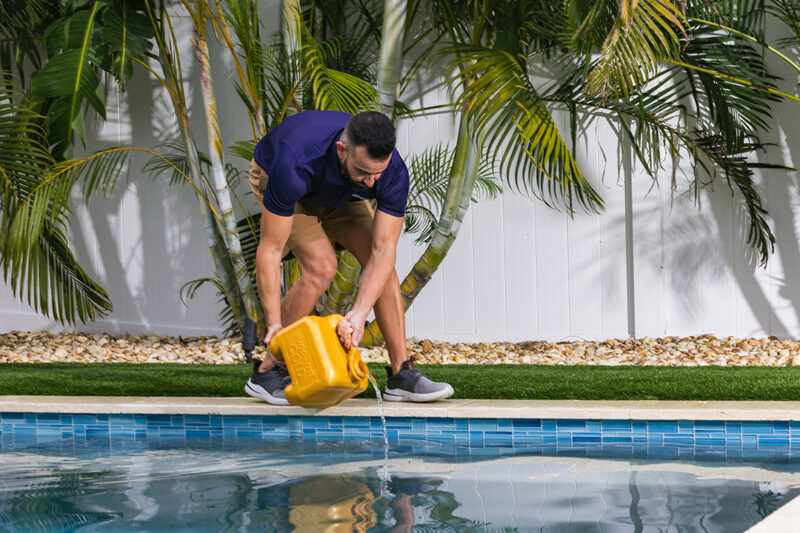
Professional pool servicing is not just about cleaning the pool but also about conducting regular inspections of the pool equipment, such as pumps, filters, heaters, and circulation systems. Pool equipment ages over time, and any defect in the equipment may lead to costly repairs or equipment breakdown.
Balancing DIY Maintenance and Professional Service
Pool owners are capable of effortlessly dealing with such daily or weekly tasks as skimming debris, checking water levels, and monitoring basic chemical levels. Professional servicing, however, complements these activities by providing technical know-how and accurate testing. Professionals use sophisticated equipment to test water chemistry levels and fix problems that may not be evident through regular testing.
Long-Term Benefits of Regular Servicing
Regular professional pool servicing keeps the pool running without huge repairs, extends the life of the equipment, and provides a safe swimming environment. Pools that are regularly serviced are less likely to be cloudy, undergo extreme chemical changes, or be suddenly closed because of preventable issues. Over time, the cost of regular servicing will probably be lower than the cost of repair after neglecting maintenance.
Conclusion
There is no one-size-fits-all answer to how often a swimming pool should be professionally serviced. This depends on usage, environmental conditions, and the season of the year. Weekly servicing is ideal for most residential swimming pools, with modifications depending on usage intensity or reduction. For those seeking further general guidance, reviewing educational resources on a reputable website can help reinforce best maintenance practices and expectations.