



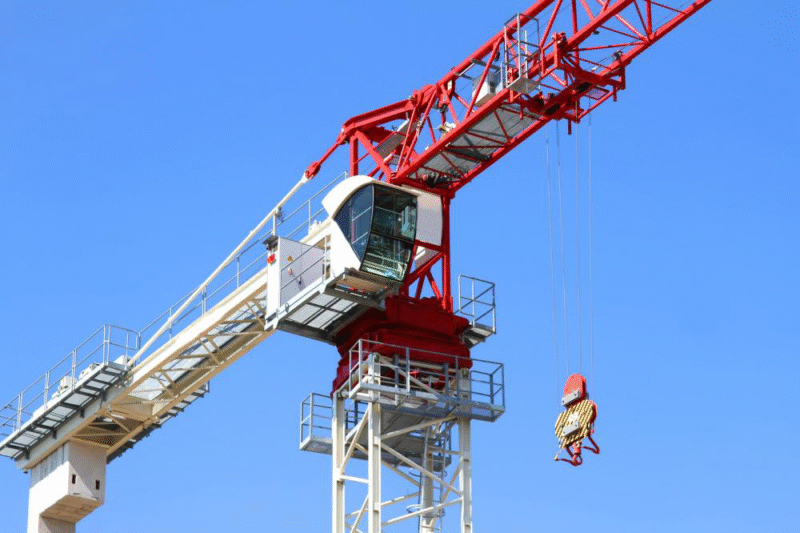
Operating cranes in California requires more than just technical skill—it demands formal training, certification, and compliance with state and federal safety standards. The construction and industrial sectors rely heavily on cranes for lifting and moving heavy materials, which makes crane operation a high-risk occupation. To minimize accidents and ensure safety, the state has established specific requirements for training and certification. Understanding the pathway to earning a California crane operator certification is essential for anyone aiming to work in this field.
Regulatory Framework And Governing Bodies
Crane operator certification in California falls under both federal and state jurisdiction. The federal Occupational Safety and Health Administration (OSHA) sets the minimum requirements for crane operation across the United States. In California, these regulations are enforced by the Division of Occupational Safety and Health (Cal/OSHA). Cal/OSHA has the authority to implement additional safety measures beyond federal standards, making its requirements particularly comprehensive.
Under Cal/OSHA, all crane operators who handle equipment with a rated lifting capacity of 2,000 pounds or more must be certified. This includes operators of mobile cranes, tower cranes, and overhead cranes used in construction or general industry. Employers are legally obligated to ensure their operators hold valid certifications before assigning them to operate such machinery.
Eligibility And Prerequisites
To qualify for crane operator certification, an individual must typically meet several prerequisites. Candidates should be at least 18 years old and physically capable of safely operating heavy machinery. They must also demonstrate basic proficiency in English, as communication plays a crucial role in maintaining workplace safety.
Some training programs may require applicants to possess a high school diploma or equivalent, though this is not a universal requirement. In addition, many employers prefer candidates with some experience in construction or mechanical work, as practical familiarity with job site operations can significantly enhance safety awareness.
Training Requirements
Formal crane operator training programs are designed to prepare individuals for both written and practical examinations. Training typically covers a range of topics, including crane components and functions, load chart interpretation, rigging principles, signaling, and inspection procedures. Safety instruction is a central focus, with emphasis on hazard recognition, accident prevention, and compliance with OSHA and Cal/OSHA regulations.
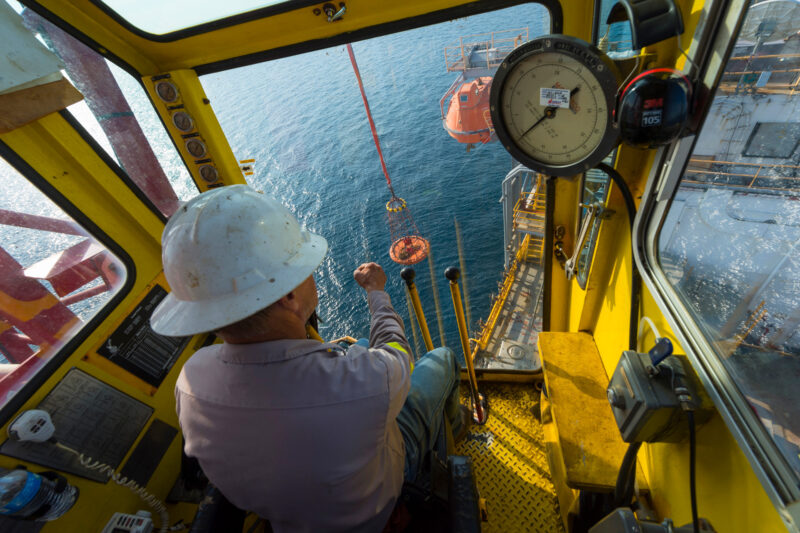
Training programs in California are available through vocational schools, trade unions, private training institutes, and community colleges. While program lengths vary, most combine classroom instruction with hands-on practice to develop both theoretical understanding and practical proficiency.
Certification Process
Employers are crucial in making sure that certification rules are followed. Every time new equipment or operational procedures are introduced, they must confirm the legitimacy of each operator’s credentials and offer refresher training. Significant consequences, such as fines and worksite closures, may arise from noncompliance with certification standards.
The employer’s continuing duties also include ensuring that equipment is inspected on a regular basis, providing safety training, and ensuring that load limits are followed. Together, these actions lower the chance of mishaps and promote a safety-conscious culture on construction sites.
Employer Responsibilities And Safety Compliance
Employers are crucial in making sure that certification rules are followed. Every time new equipment or operational procedures are introduced, they must confirm the legitimacy of each operator’s credentials and offer refresher training. Significant consequences, such as fines and worksite closures, may arise from noncompliance with certification standards.
The employer’s continuing duties also include ensuring that equipment is inspected on a regular basis, providing safety training, and ensuring that load limits are followed. Together, these actions lower the chance of mishaps and promote a safety-conscious culture on construction sites.
Conclusion
Crane operation is a complex and safety-sensitive profession that demands both technical expertise and strict regulatory adherence. The process of obtaining a California crane operator certification ensures that individuals possess the knowledge, practical skills, and safety awareness necessary to handle heavy equipment responsibly. By following established training standards and certification procedures, both operators and employers contribute to safer worksites and uphold the integrity of California’s construction and industrial operations.