



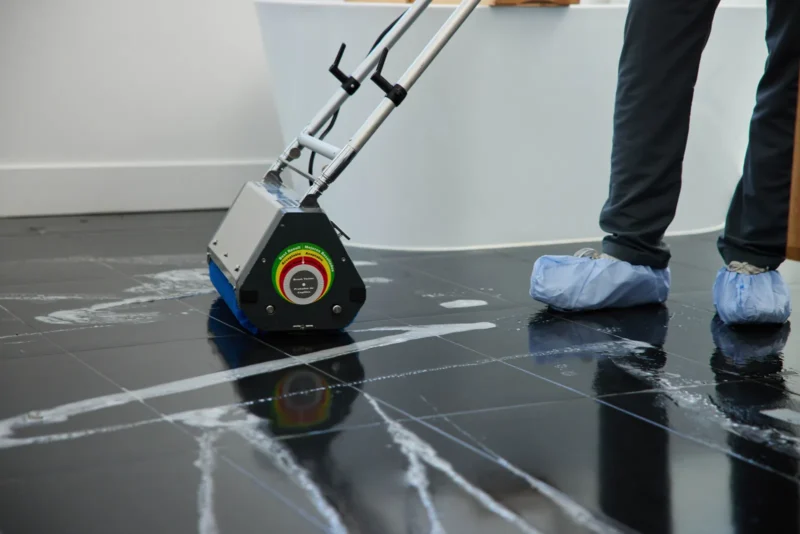
Professional tile cleaning is often perceived as a straightforward service, but the process involves a structured sequence of steps designed to restore surfaces effectively while protecting the integrity of the flooring. In Atlanta, where humidity, red clay dust, and daily foot traffic commonly affect home interiors, understanding how a professional service operates can help homeowners make informed decisions. Companies offering citrus fresh residential tile cleaning in Atlanta typically follow a systematic approach that prioritizes preparation, precision, and proper finishing techniques.
-
Initial Assessment And Inspection
Without exception, professional cleaning processes are preceded by a detailed inspection. The technicians check the kind of tile—for instance, ceramic, porcelain, travertine, or marble—and they also look at the condition of the grout. This stage gives them an idea of the cleaning agents and the tools that will be used. Besides that, the inspection is also a feature that highlights the dirt that may be deeply embedded in the tiles, the mold that has grown in the grout lines, or even the cracked tiles or the parts of the sealant that are wearing out.
-
Pre-Treatment Of The Surface
After the evaluation is done, the area is made ready for cleaning by getting rid of loose debris. People who are in charge normally take a broom or a vacuum and work on the floor to get rid of dust, hair, and small particles. When the area with loose debris is totally clean, they put on a pre-treatment solution. This solution is designed to dissolve the mixture of grease, soap residue, and earth that has accumulated on the surface. It is really important to do the pre-treatment phase, as it guarantees that the deep-cleaning apparatus can run smoothly without any parts being blocked.
-
Agitation Of Tile And Grout
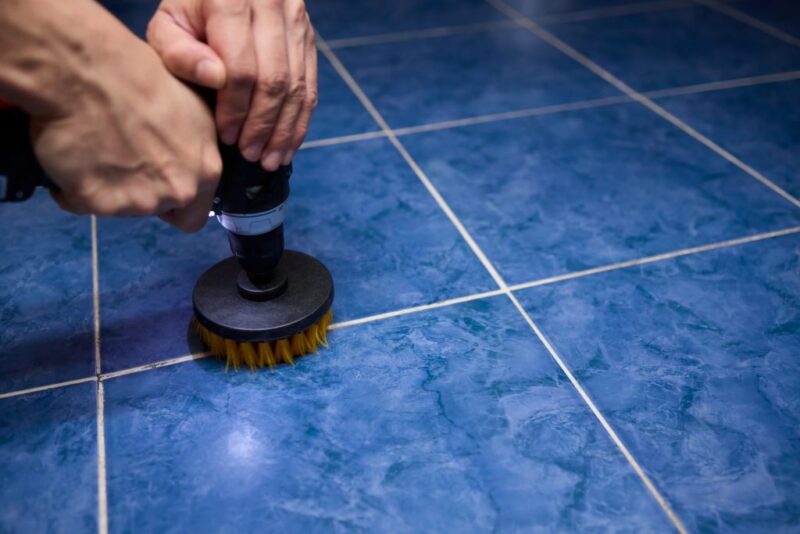
Once the pre-spray has been left for a while, the technicians start the agitation part. This means they are using special brushes – which can be manual or machine-powered – to vigorously work the grout lines and the tile surface. The intention is to free up the dirt that is deeply embedded and cannot be reached by regular mopping. Places that are often walked on normally get double work because dirt gets there more heavily. Agitation is the stage when the cleaning product goes down to the most hidden parts of the porous surface of the grout.
-
High-Pressure Rinse And Extraction
After the dirt is loosened, a high-pressure extraction machine is brought in by the specialists, to wash the area. These devices impel hot water to the surface and at the same time suck the leftover water, thus dirt, cleaning solution, and water are removed in one single step. In contrast to the old-fashioned way of mopping, this method does not allow for the dirty water to be redeposited on the tiles. The interplay of heat, pressure, and suction is what makes this profound cleaning, which brings back the original look of the flooring, possible. This is the point where the greatest change can be seen.
-
Grout Line Treatment And Optional Restoration
If the grout looks stained after extraction, the cleaning staff will certainly put more cleaning agents or restorative solutions. Sometimes, they employ recoloring products for the grout or sealants to make it last longer and look better. Though this is merely a choice, it is frequently suggested for aged surfaces or those that have been heavily dampened, since an unsealed grout may be able to break down very fast.
-
Drying And Final Inspection
Professional experts, generally put air movers or natural ventilation to work to help the area dry quickly after the extraction process has been completed. The drying time that is as short as possible is very important to stop the appearance of mold or mildew in the grout. After the surface has dried, the last inspection is done to check the standard and the quality. The owners of the houses are often recommended not to walk on the floor for a little while so that it can settle well.
-
Application Of Sealant (If Requested)
Sealing is often the final optional step in the process. A high-quality sealant protects the grout from staining and makes future cleanings easier. It acts as a barrier against spills, moisture, and dirt build-up. Sealants are particularly beneficial in kitchens, bathrooms, and high-humidity environments—conditions common in Atlanta homes.
Conclusion
Understanding each step of the tile cleaning process helps homeowners appreciate the level of detail and expertise involved. Whether it is routine maintenance or deep restoration, professional cleaning ensures longevity and improved hygiene for tile surfaces. For households seeking reliable service tailored to local environmental conditions, many companies offering citrus fresh residential tile cleaning in Atlanta follow this structured process to deliver comprehensive and effective results.