


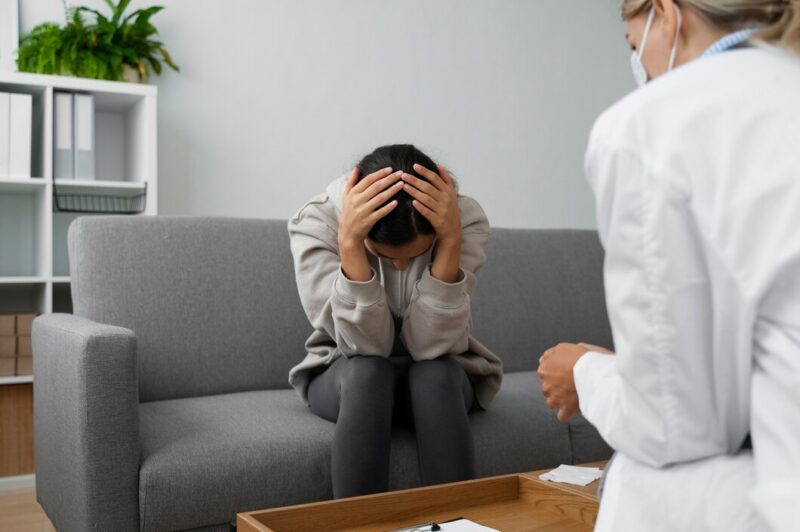
Anxiety is, perhaps, one of the most common but least discussed mental health issues. It touches people of all age groups and different lifestyles, and is branded as a myth or even worse, an exaggeration. But to the people living with the anxiety, it is one of the most agonizing and alienating experiences, where the person knows that the catastrophizing is a creation of their mind, and yet they have no power to stop the spiral.
The symptoms of anxiety are worry, nervousness, and augmented heart palpitations, as well as an inability to focus. These symptoms disrupt the normal functioning of the lives of the individuals and affect their emotional states. To cope with the symptoms and to cope with this issue more effectively, anxiety therapy has become a useful tool, the specifics of which are available on this website.
What is Anxiety Therapy?
Anxiety therapy is a set of psychological interventions aimed at helping people comprehend and cope with their anxious thoughts and behaviours. Unlike in the strategies where the main emphasis is on managing the symptoms, therapy is aimed at determining the underlying factors and acquiring coping skills that are long-term.
Cognitive behavioural therapy (‘CBT’) is one of the most common approaches that involves the identification and modification of negative thought patterns that add to anxiety. This method assists people in becoming healthier when responding to stress and uncertainty. Therapy sessions take the form of discussions, guided approaches, and exercises that encourage self-insight and management of emotions. With time, people get to know how to react to triggers in a better way and minimize the level of anxious response.
Methods and Techniques in Anxiety Therapy
Anxiety is often treated using several therapeutic methods, which depend on the needs of an individual and the severity of symptoms.
-
Cognitive Behavioural Therapy (CBT)
CBT allows people to recognize their distorted thinking patterns and substitute them with more balanced ones. It is regarded as one of the most successful therapies for anxiety disorders.
-
Exposure Therapy
This is a process that entails a step-by-step exposure to dreaded situations. It enables people to understand that anxiety is curable with time and feared consequences are not as threatening as one may think them to be.
-
Mindfulness and Relaxation Techniques
Deep breathing, meditation, and guided imagery are some of the practices that can be used to calm the mind and lessen stress. These methods enhance emotional control as well as foster a sense of control.
-
Discussion and Counselling
The freedom to discuss and talk openly in a safe and conducive setting enables people to discover their feelings and thoughts. It is a process that assists in the development of coping and emotional strength.

Advantages of Anxiety Therapy
Anxiety treatment comes with several long-term advantages that are not directly related to alleviating symptoms. It is one of its major strengths because it teaches people to deal with stress on their own, providing them with practical tools. Therapy is aimed at skill development, which allows people to cope with the difficulties they may have in the future in a better and more effective manner. Therapy thus solves not just the manifestation of the symptoms, but also curbs the spiral before it begins.
The other significant advantage is the enhanced emotional awareness. With the knowledge of triggers and behavioural patterns, people can be more informed about their reactions. Therapy also helps in making one’s mind clearer, leading to healthier relationships because of better communication and control of emotions. This also aids in reducing anxiety by effectively managing emotions and learning how to manage oneself when a trigger presents itself.
Moreover, anxiety treatment in certain situations may decrease the use of medication, as it is curing the illness instead of treating the symptoms. This renders it a long-term solution to mental health care.
At the same time, it is to be noted that there is no standardized anxiety therapy. Treatment plans are usually made individually, depending on the kind of anxiety disorder, the personal history, and lifestyle. Therapeutic methods may attract different people more efficiently, and therapists adapt methods to different people. Some can be helped in the short run using specific concerns, whereas some need a long-term approach. Therapy, unlike medicines with rigid compositions, is flexible and hence effective in a wide variety of situations.
Conclusion
Treatment of anxiety is highly essential in helping individuals cope with stress, overcome their fears, and improve their overall standards of living. It provides an evidence-based and personalized method to emotional health by means of systematic development of skills. Anxiety is a condition that can be addressed best through therapy in a significant and sustainable manner, as the awareness of mental health continues to grow. The website outlines the different benefits and modalities that can be used to treat anxiety.